Understanding the Key Differences Between Memory Care and General Senior Care
Comprehending the variations between memory care and general senior care is crucial for families exploring options for aging loved ones. Memory care specializes in residents with cognitive impairments, providing specialized support and structured environments. In contrast, general senior care delivers broader assistance for different needs. Recognizing these variations can substantially impact the quality of life for seniors. What factors should families evaluate when choosing the right type of care?
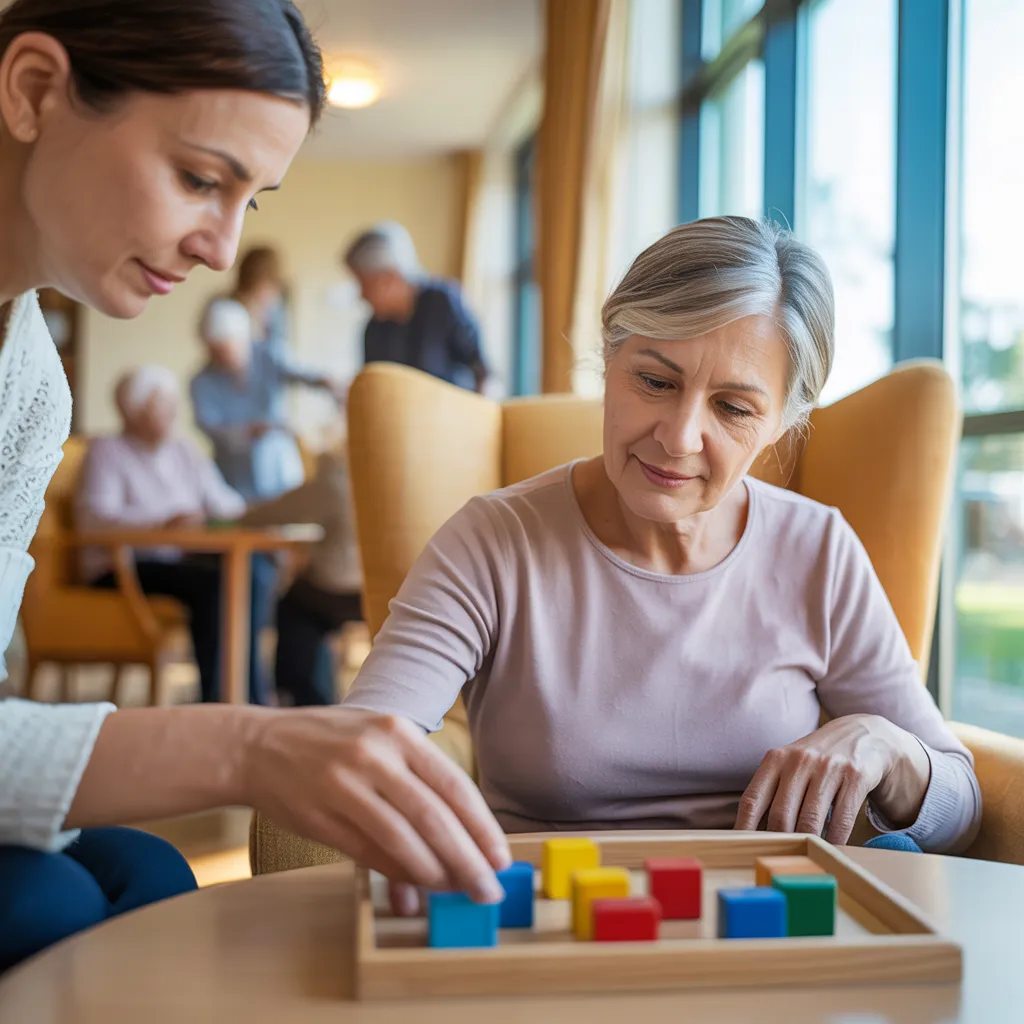
Understanding the Distinctions: Memory Care and General Senior Care
Although both memory care and general senior care work to assist the elderly, their strategies and provisions differ substantially. Memory care is specifically designed for individuals with cognitive impairments, for example Alzheimer's disease or other forms of dementia. This type of care supplies specialized programs and environments intended to enhance cognitive function, encourage social interaction, and provide safety. Staff members are trained to understand the specific requirements of residents with memory-related issues.
Conversely, general senior care comprises a more extensive range of services for older adults, including those who may not have significant cognitive decline. This category provides assistance with daily activities, medical care, and social engagement but does not necessarily include specialized memory support. As a result, the environments and staff training vary, underscoring the need for tailored care strategies that address the unique challenges faced by individuals in memory care settings compared to those receiving general senior care.
What Does Memory Care Entail and How Can It Assist?
Memory care is a specific form of residential support intended to support individuals with memory disorders, mainly those living with dementia-related conditions and other types of dementia. These centers offer a protected, organized environment tailored to the specific requirements of residents experiencing memory loss. Skilled staff members offer round-the-clock supervision, guaranteeing the well-being and welfare of each individual.
Memory care initiatives concentrate on improving the quality of life through personalized care plans, which may include mental engagement exercises, social engagement, and aid for daily life activities. This approach promotes cognitive and emotional wellness, assisting residents maintain their independence as much as possible. Additionally, memory care environments often include familiar routines, sensory activities, and therapeutic interventions that can minimize anxiety and confusion. Overall, memory care facilities aim to create a nurturing atmosphere that addresses both the medical and emotional needs of individuals facing cognitive decline.
Elder Care Services: Extensive Care Options
Senior care services encompass a diverse selection of support services intended to aid older adults in keeping their independence and quality of life. These services include personal care, housekeeping, meal preparation, and transportation, addressing multiple needs and preferences. Many seniors experience positive outcomes through companionship programs, which deliver social interaction and emotional support, aiming to combat feelings of isolation.
Along with in-home care, general senior care typically incorporates community-based services such as adult day programs and senior centers, where older adults can take part in activities and build social networks. Health monitoring and coordination of medical appointments are also integral aspects of general senior care, guaranteeing that seniors receive proper medical attention.
Moreover, respite care offers temporary relief for family caregivers, allowing them to take breaks while making certain that their loved ones are well cared for. On the whole, general senior care works to enhance the well-being and dignity of older adults.
Choosing the Right Care for Your Loved Ones
Picking the right care for a loved one necessitates careful assessment of their individual needs and preferences. Recognizing the distinctions between memory care and general senior care can assist families make informed decisions. Evaluating facility options is also vital to confirm the chosen environment aligns with the person's requirements.
Determine Caregiving Requirements
How can families determine the appropriate level of care for their loved ones? Analyzing care necessities is important for making knowledgeable choices. Families should start by reviewing the individual's medical history, cognitive abilities, and daily living requirements. Understanding the progression of any health conditions, particularly cognitive impairments like dementia, is essential. Family members can further examine behavioral concerns and the demand for supervision or professional support. Engaging healthcare professionals for evaluations can provide valuable insights into the level of care required. Additionally, discussing preferences and comfort levels with the loved one can help guide decisions. At last, the purpose is to stabilize safety, independence, and well-being while ensuring the selected care fits with personal necessities.
Analyze Location Alternatives
When families begin to evaluate facility options for their loved ones, the selection of choices can be overpowering. They must consider whether memory care or general senior care corresponds most closely to their loved one's needs. Aspects such as the level of medical care required, staff-to-resident ratios, and facility security should be emphasized. In addition, families should examine the amenities offered, including social activities and recreational opportunities, which can greatly impact a resident's quality of life. Touring potential facilities, asking questions, and observing interactions between staff and residents can provide valuable insights. Essentially, choosing a facility should reflect both the unique needs of the individual and the family's preferences, ensuring a supportive and nurturing environment for their loved one.
The Importance of a Secure Environment in Memory Care
A secure environment is vital in memory care facilities, as it improves safety for residents who may be susceptible to wandering or disorientation. These settings also encourage independence and dignity, enabling residents to take part in daily activities while minimizing risks. Furthermore, specialized staff training ensures that caregivers are ready to support the specific needs of those with memory impairments.
Strengthened Safety Procedures
Although people with memory challenges may experience difficulty with orientation and comprehending their environment, advanced safety features in memory care communities fulfill a critical purpose in safeguarding their health and security. These communities incorporate elements like controlled access points to stop residents from leaving unsupervised, a prevalent challenge for individuals in residential care. Furthermore, customized floor plans decrease disorientation and lower the likelihood of injuries. Employees are educated to detect and react to emerging safety concerns, guaranteeing prompt help when required. Additionally, surveillance equipment, including video systems and alert mechanisms, are frequently installed to improve protection. Together, these safeguards establish a nurturing setting that emphasizes resident protection, allowing families to have peace of mind while their loved ones receive care tailored to their unique needs.
Promoting Independence and Dignity
Creating a secure environment in memory care facilities not only enhances safety but also plays a significant role in promoting independence and dignity among residents. This secure setting allows individuals with memory impairments to navigate their surroundings with confidence, minimizing anxiety and promoting a sense of autonomy. By offering accessible spaces and supportive resources, residents can engage in daily activities that correspond to their personal preferences and abilities. Encouraging self-expression through personalized programs helps protect individuality, reinforcing a sense of worth. When residents feel safe and respected, their overall well-being increases, leading to better emotional health. Ultimately, a secure environment enables individuals in memory care to live fulfilling lives while maintaining their dignity and independence as much as possible.
Specialized Employee Education
Providing a safe environment in memory care facilities depends on the specialized training of staff, which is essential for promoting the well-being of residents. Trained professionals understand the distinct challenges presented by cognitive impairments, enabling them to respond appropriately to the needs of individuals with memory loss. This training includes de-escalation techniques, communication strategies, and safety protocols intended to prevent wandering and guarantee a calm atmosphere. Additionally, staff members learn to detect signs of distress or confusion, facilitating timely interventions. A secure environment not only strengthens the safety of residents but also promotes their emotional and psychological health, crucial for maintaining dignity and independence. Therefore, specialized staff training is a cornerstone of effective memory care, supporting a holistic examine this material approach to resident care.
Moving From General Care to Memory Care: What to Expect
Shifting from standard care to memory care can be a challenging process for families, as it often involves dealing with the realities of a loved one's cognitive decline. Families may experience a range of emotions, including sorrow, confusion, and guilt. Understanding what to expect during this transition can help ease some of these feelings.
At first, families should expect a complete assessment of their family member's needs by memory care professionals. This review will establish the appropriate level of care and services needed. Communication with staff is vital; families should raise questions and share issues to guarantee a individualized approach.
Additionally, families must get ready for modifications to daily routines, as memory care centers usually establish scheduled programs intended to enhance cognitive function. Finally, continuing regular visits can deliver emotional support, helping loved ones adapt to their new environment while maintaining connections with family.
Questions & Answers
What Types of Conditions Are Treated in Memory Care Facilities?
Memory care facilities primarily treat conditions including Alzheimer's disease, various types of dementia, and cognitive impairments. These specialized settings concentrate on safety, social engagement, and tailored therapies to enhance quality of life for residents.
What Makes Staff Training in Memory Care Different from General Senior Care?
Staff training in memory care facilities centers on specialized techniques for managing cognitive impairments and behavioral challenges, while general senior care training prioritizes wider health needs and daily living assistance, demonstrating the distinct patient requirements in each setting.
Are Memory Care Facilities Covered by Medicare or Medicaid?
Coverage for memory care facilities through Medicaid is available depending on state policies and personal eligibility criteria. Medicare typically excludes coverage for long-term memory care services, directing its focus toward short-term rehabilitation and skilled nursing care.
What Activities Do Memory Care Programs Typically Include?
Memory care facilities typically feature activities such as arts and crafts, music therapy, exercise classes, cognitive games, and social interaction opportunities, all designed to enhance residents' cognitive function, emotional well-being, and overall quality of life.
When Should I Consider Memory Care?
Signs indicating the need for memory care include heightened confusion, wandering, trouble with daily tasks, mood swings, or safety concerns. Families should evaluate these changes together with professional guidance to determine the proper level of care.